
A home often tells a story through the objects it contains, and personal collections can become some of its most distinctive features. Whether they include books, artwork, antiques, travel souvenirs, or handmade pieces, these items reflect individual experiences and interests while adding character to everyday living spaces. Insights shared by hausbauhelden.de highlight the value of a healthy indoor climate and thoughtful residential design – one where personal expression complements functionality rather than overwhelming it. When displayed with care, collections can create meaningful focal points and strengthen the connection between people and their surroundings. Exploring this relationship reveals how personal collections contribute to a home’s unique identity and make each interior feel more authentic and memorable.
How Collections Reflect Personal Interests
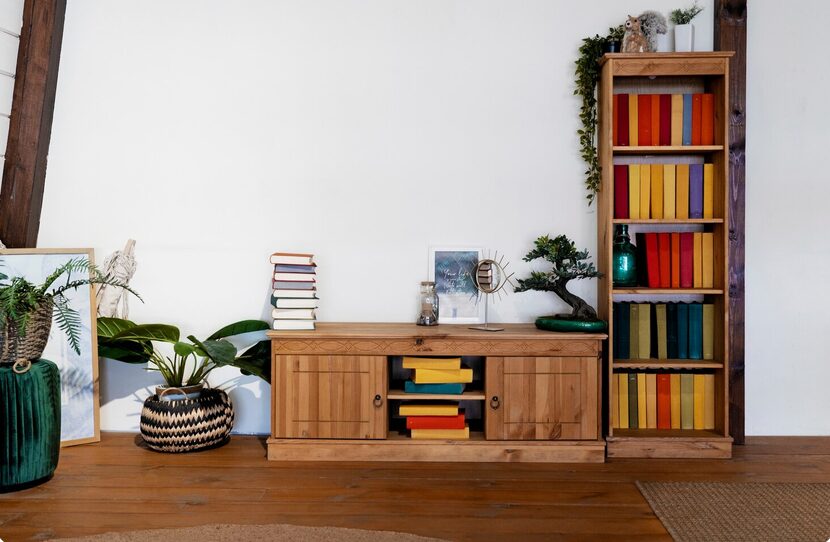
Personal collections often reveal the interests and experiences of the people who own them. A home filled with books may suggest a love of reading, while collections of artwork, vintage objects, or handmade crafts can reflect creative or cultural interests. These items introduce individuality that cannot be easily replicated by standard furniture or decorative products alone. As collections grow over time, they contribute to a home that feels distinctive because its appearance is shaped by the lives and preferences of its occupants rather than by a single design trend.
The Relationship Between Display and Interior Design
The way a collection is displayed influences how it becomes part of an interior. Shelving, cabinets, wall displays, and carefully arranged surfaces allow objects to contribute to a room’s visual composition without overwhelming it. The relationship between collections and surrounding furniture, lighting, and architectural features helps create balance throughout the space. Thoughtful placement allows individual items to stand out while remaining connected to the overall design, making the collection feel like a natural part of the home rather than an unrelated addition.
How Collections Influence Spatial Organization
Collections often affect room organization because they require space for display, storage, or access. Large bookcases, display cabinets, gallery walls, or dedicated shelving may become important features within a room, influencing furniture placement and circulation. In some homes, collections even shape the function of particular spaces by creating reading corners, music rooms, or areas for displaying artistic work. The presence of these items demonstrates that personal belongings can influence the layout and use of a home just as much as architectural features.
Why Collections Create Lasting Character
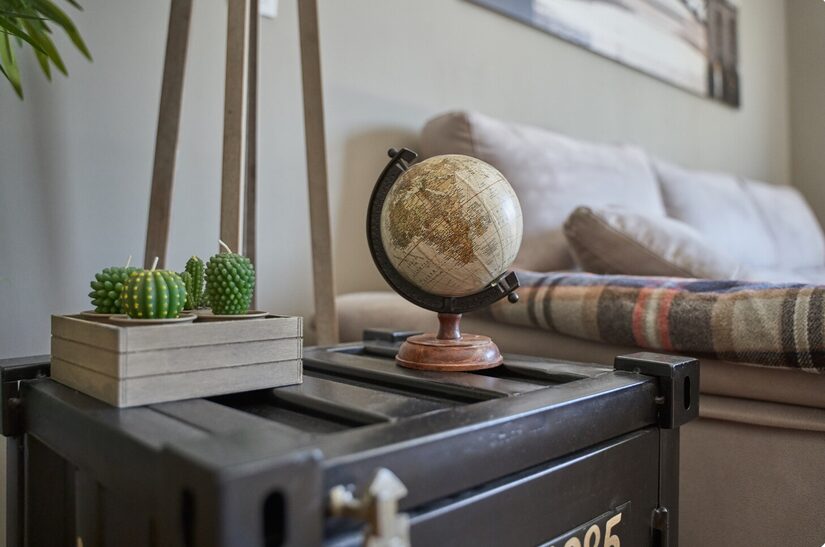
Unlike decorative items chosen to match changing design styles, personal collections often develop gradually over many years. Objects acquired through travel, family history, hobbies, or significant life events carry stories that give them meaning beyond their appearance. As these collections expand, they create visual continuity that reflects the household’s experiences. This gradual development contributes to a sense of authenticity because the home’s character evolves naturally rather than being created all at once by a single design decision.
The Balance Between Personality and Harmony
While collections add individuality, they are most effective when they work in harmony with the surrounding interior. Consistent display methods, coordinated materials, and thoughtful spacing help ensure that collections contribute to the overall atmosphere without creating unnecessary visual clutter. This balance allows personal objects to become meaningful focal points while maintaining a comfortable and organized environment. The relationship between personal expression and visual harmony enables collections to enrich a home’s identity while supporting its overall design.
Personal collections become part of a home’s identity by reflecting the interests, experiences, and memories of the people who live there. Their display influences interior design, room organization, and the overall atmosphere of the home, creating spaces that feel unique and deeply personal. As collections develop over time, they add lasting character that extends beyond changing design trends. This demonstrates that a home’s identity is shaped not only by its architecture and furnishings but also by the meaningful objects that tell the story of everyday life.


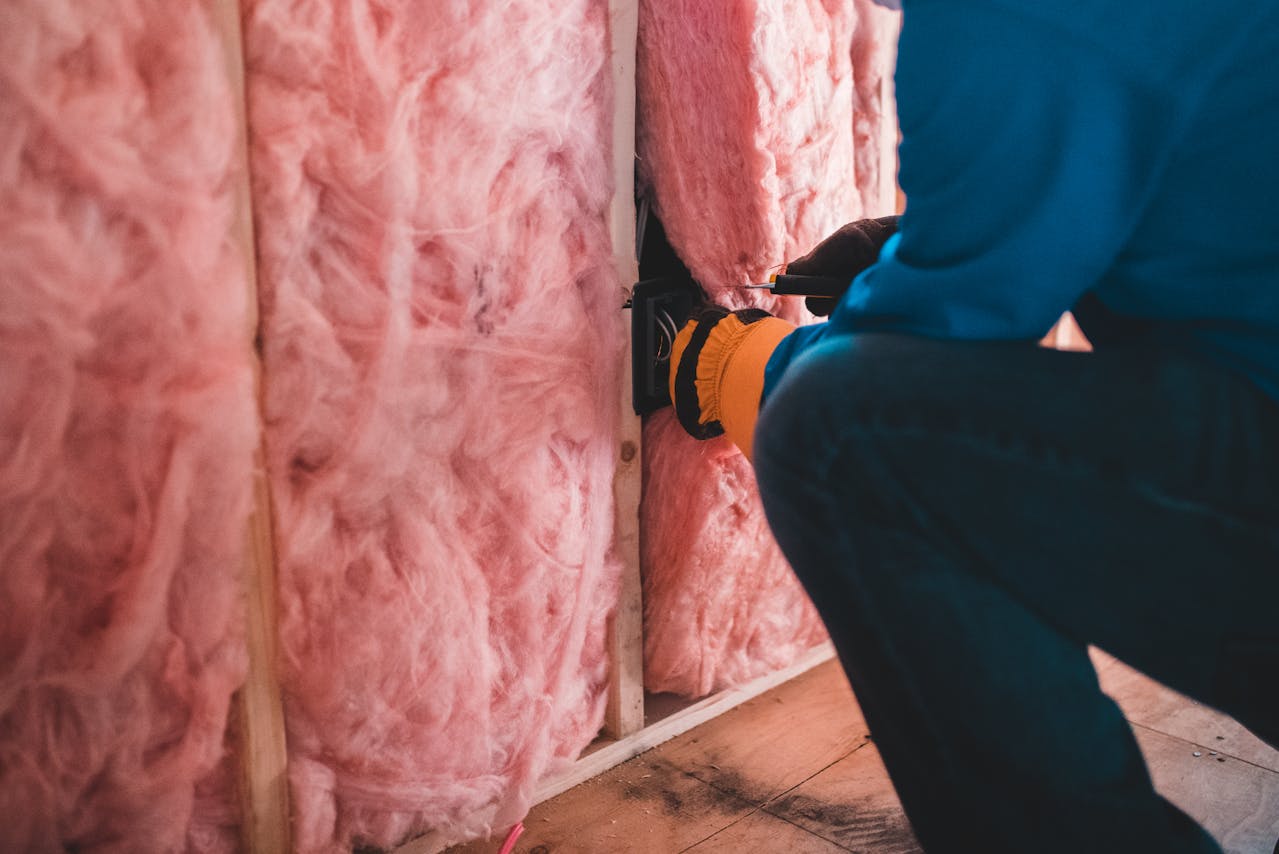 Insulation does heavy lifting quietly. Thick ceiling batts and insulated walls slow heat transfer dramatically. Temperatures fluctuate less. High-performance windows matter just as much. Double glazing reduces both heat loss and noise intrusion. Streets sound softer, and interiors stay calm. Sealing gaps around doors and frames prevents drafts. Tiny cracks create large losses over time. Addressing them is simple but powerful. A tight building envelope reduces strain on heating and cooling systems. Less strain means lower running costs and longer equipment lifespan.
 Solar panels convert sunlight into direct savings. A properly sized system offsets daily demand significantly. It changes how homeowners view their roof. Battery storage increases independence. Evening usage draws from stored energy instead of peak grid pricing. That shift stabilizes monthly costs. Smart meters provide real-time tracking. Homeowners see consumption patterns instantly.
 Landscaping is often the simplest way to revive an aging exterior because it brings life, color, and structure without heavy construction. Well-chosen plants soften worn edges and make walkways feel welcoming. Mixing shrubs, seasonal flowers, and ground cover creates a balanced look while keeping maintenance at a manageable level. Older homes usually benefit from greenery that frames the architecture rather than hiding it, allowing the house’s original style to stand out. A clean lawn, trimmed hedges, and fresh mulch can transform the entire atmosphere in a single afternoon.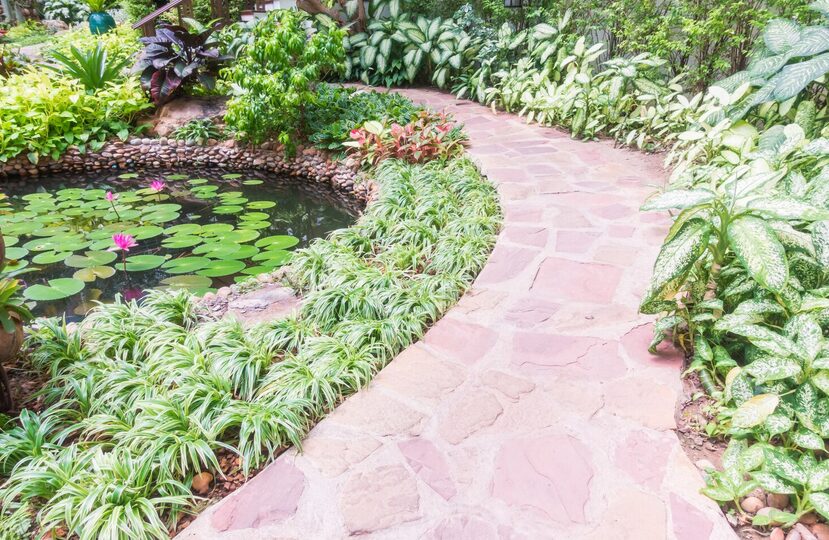
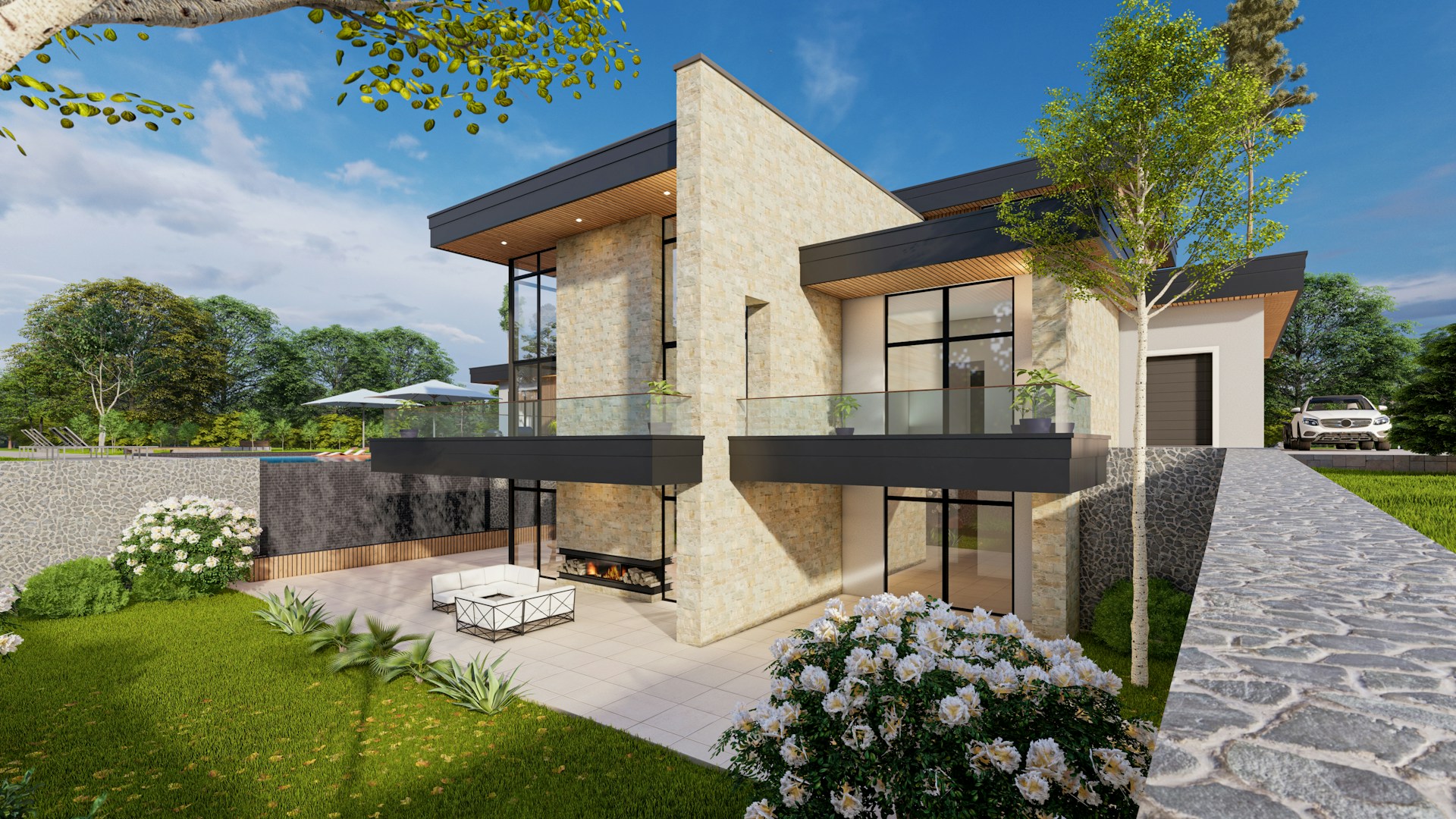 One of the biggest strengths of prefab homes is how they are engineered. Since sections are built in factories, they often undergo rigorous testing and must meet strict building codes before being transported. This results in homes that are tightly constructed, with fewer gaps that could let in moisture or drafts. The modular design also makes them more resistant to shifting in high winds compared to some older, stick-built houses. Modern prefab homes often feature reinforced materials and advanced insulation that keep them sturdy during storms.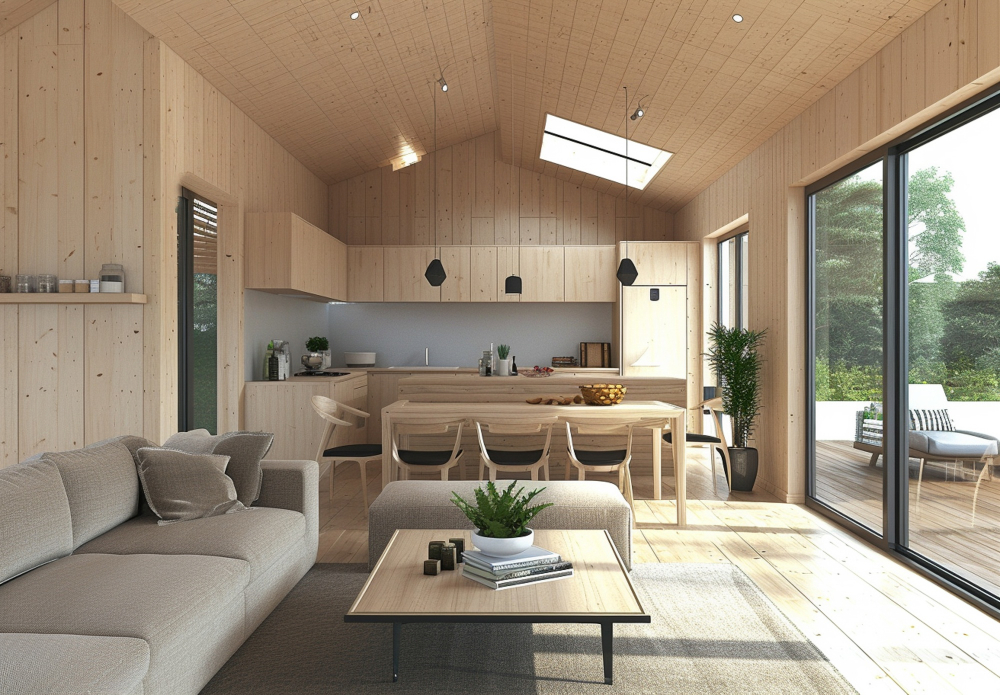





 Selecting outdoor furniture requires a careful balance between comfort and durability. Start by considering materials that withstand the elements. Teak, eucalyptus, and aluminum are excellent choices for longevity. When it comes to seating, prioritize cushions with weather-resistant fabrics. Look for options filled with quick-drying foam to ensure they remain comfortable even after rain showers. Don’t forget about functionality. Nesting tables or modular sofas can adapt to your changing needs while maximizing space. Style is important too; choose pieces that complement your home’s architecture and existing landscape design. A cohesive look enhances the overall appeal of your outdoor area. Lastly, consider maintenance requirements.
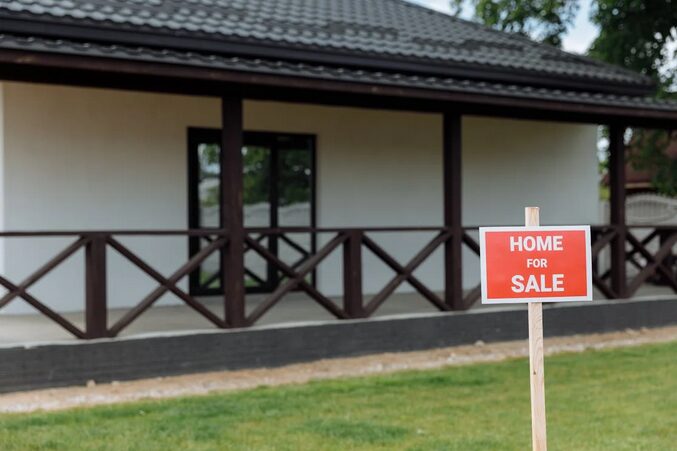

 One of the most significant benefits of remodelling your basement is the potential increase in property value. Finished basements add usable square footage to your home, making your property more attractive to prospective buyers. Whether you transform the space into a guest suite, a home office, or a recreational area, a well-executed basement renovation can significantly boost your home’s market value. Real estate experts often note that finished basements are a strong selling point, helping you recoup your investment when it’s time to move.
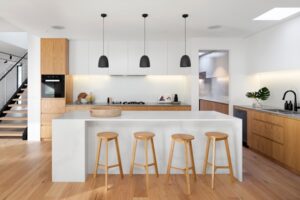 Remodelling your basement offers a blank canvas for creative design. Unlike other parts of your home that may need to adhere to existing styles or structures, the basement allows for more freedom in design choices. Whether you envision a rustic retreat, a modern lounge, or a chic home bar, the basement can be tailored to reflect your tastes and preferences. This flexibility allows you to create a unique space that stands out and enhances the overall appeal of your home. The surprising advantages of remodelling your basement extend beyond just having more room.
 When you opt for top-notch home painting services, expert consultation is often the first step in the process. A reputable painting company will start by understanding your vision and goals for the project. They will take the time to assess your space, discuss color options, and provide valuable insights based on their experience. During the consultation, professional painters may also offer suggestions on paint finishes, textures, and techniques that can enhance the overall look and feel of your home. This personalized approach ensures that every aspect of the project is tailored to meet your specific needs and preferences.
 When it comes to
  A well-maintained roof can last for many years, but neglecting regular inspections can shorten its lifespan significantly. Over time, exposure to weather elements can cause gradual deterioration of roofing materials. A thorough inspection by a professional can help identify any areas of concern and provide recommendations for necessary repairs or replacements. By addressing these issues in a timely manner, you can extend the lifespan of your roof, saving you money in the long run.
 In some cases, insurance companies require proof of regular roof

 Outdoor lighting is about more than just illuminating a space at night. It also creates ambiance, adds warmth, and highlights key features of your outdoor area. In small spaces, it’s even more important to use clever lighting techniques to create the illusion of more space and make the most out of every square inch. For example, using light to create focal points can draw the eye and make a small area seem larger. Most importantly, outdoor lighting allows you to enjoy your beautiful outdoor space even after dark.
 In addition to lighting, color, and surface materials can also play a role in making small spaces appear larger. Lighter colors and reflective surfaces such as mirrors, shiny tiles, or metals can help bounce light around and create a sense of openness. Incorporating these elements into your outdoor space can make it feel brighter, bigger, and more welcoming.
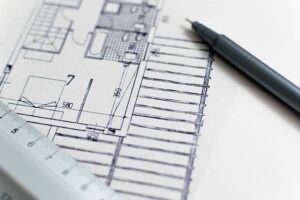 Architects are trained professionals with a deep understanding of design principles, space utilization, and aesthetics. They possess the knowledge and skills to transform your remodeling ideas into a well-conceived and functional plan. Whether you’re renovating a kitchen, expanding your living space, or reimagining your entire home, an architect can help you create a design that maximizes space, light, and style while aligning with your vision and budget; visit the
 Home remodeling projects can be complex and involve multiple contractors, tradespeople, and suppliers. Architects play a vital role in project management, ensuring that the construction process runs smoothly and according to
 The most common cause of clogged drains is pouring grease down them. While it may be tempting to just pour that leftover bacon fat or cooking oil down the drain, doing so can cause serious problems in your plumbing system. When you pour grease down the drain, it may go through as a liquid initially. However, once it cools and solidifies, it will stick to the sides of your pipes and trap other debris that gets flushed down later on. Over time, this buildup can lead to blockages and backups in your plumbing system. Always dispose of cooking oil and grease properly to prevent clogs from grease buildup. You can collect used cooking oil in a container with a lid and then throw it away in the trash once it has hardened.
 Vacuuming your home can help reduce the amount of pet hair, dander, and other pollutants in your indoor air. Make sure you’re using a vacuum with a HEPA filter, which will help trap more small particles like pet dander. In addition to regular vacuuming, you should also take time to dust off any surfaces your pet might have come in contact with. This will help reduce the amount of dust and other allergens present in your home.
 One biggest mistake many pet owners make is allowing their pets too much freedom in the home. To help improve indoor air quality and reduce allergens, it’s more than important to set limits for your pet. Choose a specific room or area of the house that your pet can’t access, and make sure they stay out of it as much as possible. This will help reduce the amount of dander and allergens in the house they might bring in.
 Another reason to use a UV water filter is that they are straightforward to maintain. Unlike other filters, you do not have to replace the cartridges or perform other maintenance tasks regularly. All you need to do is ensure that the unit is turned on and the water is flowing through it. This makes UV water filters a very low-maintenance option. In addition, UV water filters are very safe to use. Unlike other filters, UV filters do not rely on chemicals or other substances to kill bacteria and viruses. Instead, they rely on ultraviolet light to disinfect the water.
 Finally, another good reason to use a
  The type of foundation you have will play a large role in the cost of repairs. If you have a concrete slab foundation, the repair process will be much simpler and less expensive than if you have a pier and beam foundation. The reason for this is that pier and beam foundations are more complex, requiring more work to stabilize them. in addition, the materials used to repair pier and beam foundations are typically more expensive than those used for concrete slab foundations.
 Quality of the soil is also a factor to consider when determining the cost of foundation repair. If the soil around your home is unstable, it will put additional stress on your foundation and cause more damage over time.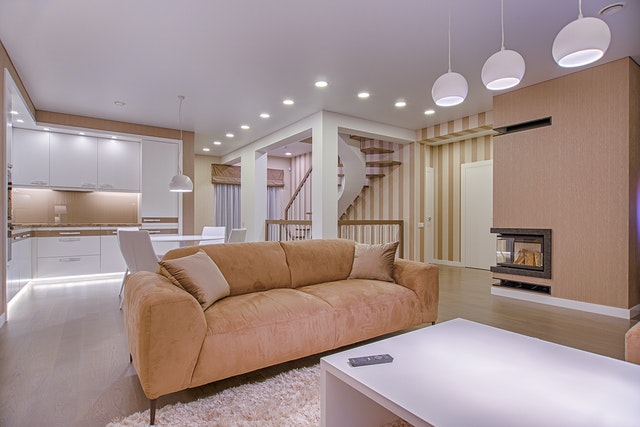
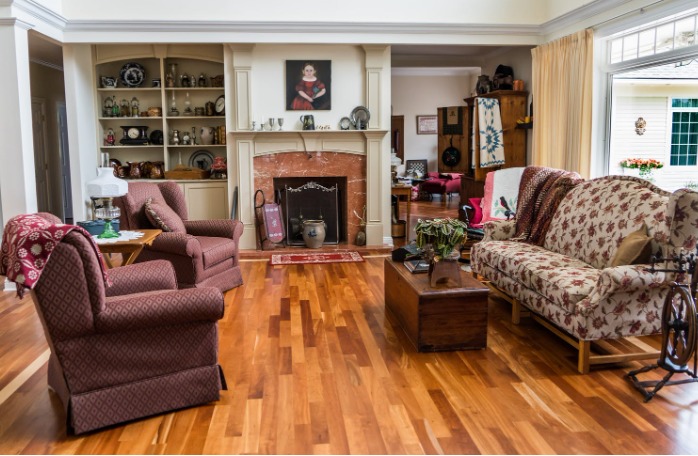 One of the best ways to protect your home design interior is to ensure that wood finishes can’t get watermarks. Watermarks can ruin the appearance of your furniture and other decors, so it’s essential to take steps to prevent them from happening.