A flourishing garden is every homeowner’s pride, but keeping it free from destructive pests can feel like an ongoing battle. Many people turn to harsh chemicals, but natural methods can be just as effective—without harming your soil, pets, or local ecosystem. If you want an outdoor space that remains both beautiful and eco-friendly, you’ll need strategies that blend prevention and natural control. This is where adopting practical methods makes a real difference. Alongside improving your garden’s health, natural pest control can also enhance the quality of your entire outdoor living area. If you’re interested in boosting your space further, check out this guide to transforming your outdoor living area which shares valuable insights for creating a stunning garden retreat.
Encourage Beneficial Insects
Not all bugs are bad. In fact, some are your garden’s best defenders. Ladybugs, lacewings, and predatory beetles feed on common pests like aphids, mites, and caterpillars. By planting flowers like marigolds, dill, and fennel, you can attract these natural allies into your yard. Creating a balanced ecosystem helps control harmful pests before they spread too far. Think of it as building your own miniature defense squad—without spending money on chemical sprays.
Use Natural Repellents

Homemade sprays can discourage pests without introducing toxins into your soil. For instance, a simple mix of water, dish soap, and drops of neem oil can help deter aphids and whiteflies. Garlic or chili sprays are also effective against chewing insects. Spraying these solutions directly onto affected plants can reduce infestations. The best part? These repellents are safe for kids and pets while still protecting your plants from harm.
Practice Crop Rotation and Companion Planting
Pests thrive when they know exactly where their favorite crops will be season after season. Rotating your vegetables helps break this cycle and reduces the chance of recurring infestations. In addition, companion planting—growing certain plants together—can naturally repel pests. For example, planting basil near tomatoes helps ward off flies, while onions planted with carrots confuse root-eating pests. These strategies are both simple and highly effective for long-term protection.
Maintain Healthy Soil and Strong Plants
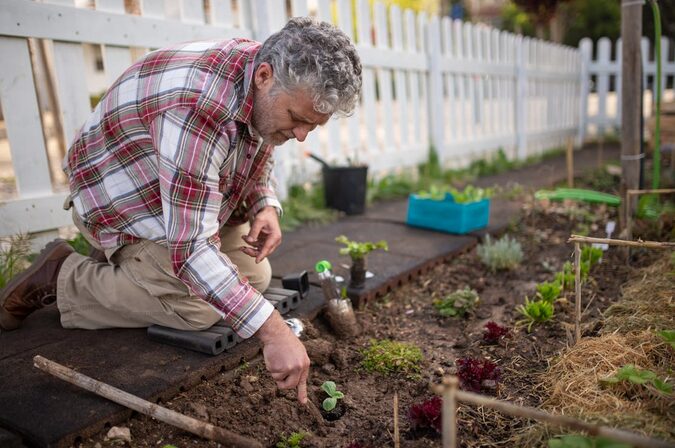
Healthy plants are unlikely to fall victim to pest invasions. Strengthening your soil with compost, organic mulch, and regular watering creates conditions that discourage many insects. Avoid over-fertilizing, as this can produce lush, weak growth that pests love. By cultivating soil that is rich in nutrients and structure, you’re essentially creating a strong foundation where plants can thrive with less risk of attack. Strong plants naturally resist diseases and recover faster if pests appear.
Keep Your Garden Clean and Tidy
Pests often hide in piles of leaves, weeds, and decaying material. By clearing debris, trimming overgrown areas, and disposing of infected plants, you reduce their hiding spots. Regular garden maintenance also helps you catch early signs of problems before they spread. A clean garden doesn’t just look appealing; it also has a key role in preventing pest build-up. Regular attention makes pest management much easier in the long run.
Protecting your home garden from pests doesn’t require chemicals or complicated methods. By inviting beneficial insects, using natural repellents, practicing smart planting, strengthening soil health, and maintaining cleanliness, you can create a thriving outdoor space where plants flourish naturally. These steps are simple yet powerful in reducing pest problems while keeping your garden safe and environmentally friendly. With consistent care, your garden can remain a beautiful and productive sanctuary year after year.