Prefab homes are increasingly seen as an attractive choice for modern living—but a key question for buyers is how well they hold up under challenging weather. These homes often benefit from factory-controlled construction, which can deliver more precise sealing, stronger structural joins, and higher-quality materials than many traditional builds. According to jolie.de/, such design and engineering practices make prefab homes more resistant to moisture intrusion, heavy rains, wind loads, and even extreme temperature changes. With the right specifications, prefab homes can offer both comfort and sturdiness through all kinds of weather.
Built for Structural Strength
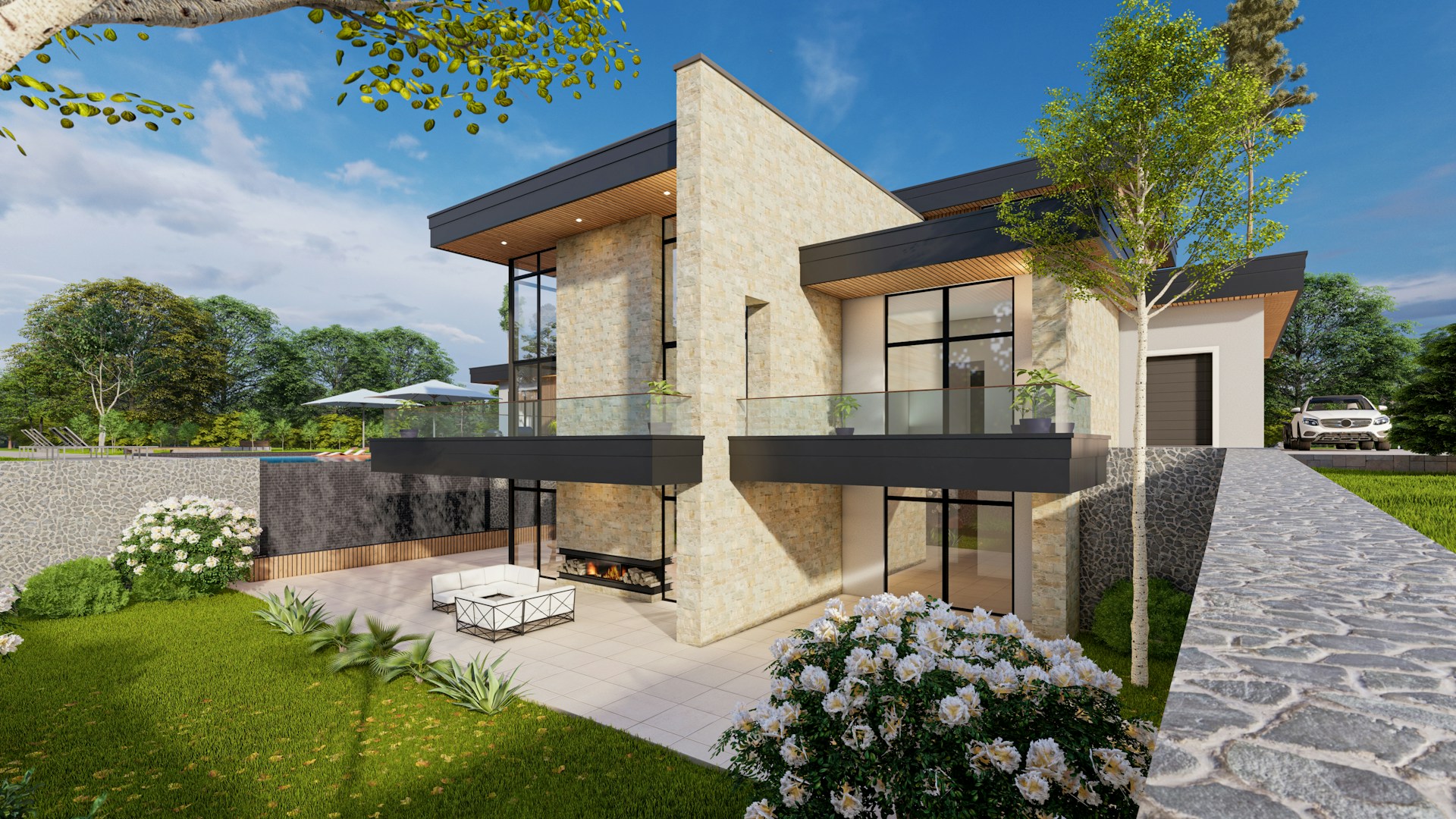 One of the biggest strengths of prefab homes is how they are engineered. Since sections are built in factories, they often undergo rigorous testing and must meet strict building codes before being transported. This results in homes that are tightly constructed, with fewer gaps that could let in moisture or drafts. The modular design also makes them more resistant to shifting in high winds compared to some older, stick-built houses. Modern prefab homes often feature reinforced materials and advanced insulation that keep them sturdy during storms.
Handling Different Climate Challenges
Prefab homes are not a one-size-fits-all solution. Manufacturers design them with regional climates in mind, which means they can be adapted for heavy snow loads, hurricane-prone areas, or extreme heat. Roof pitches, wall thickness, and window specifications can all be adjusted to suit local weather demands. For instance, prefab homes in colder regions often feature triple-glazed windows and enhanced insulation, while those in coastal areas may include impact-resistant glass. Buyers can feel confident knowing that prefab is versatile enough to meet varying weather challenges.
Energy Efficiency as a Weather Shield
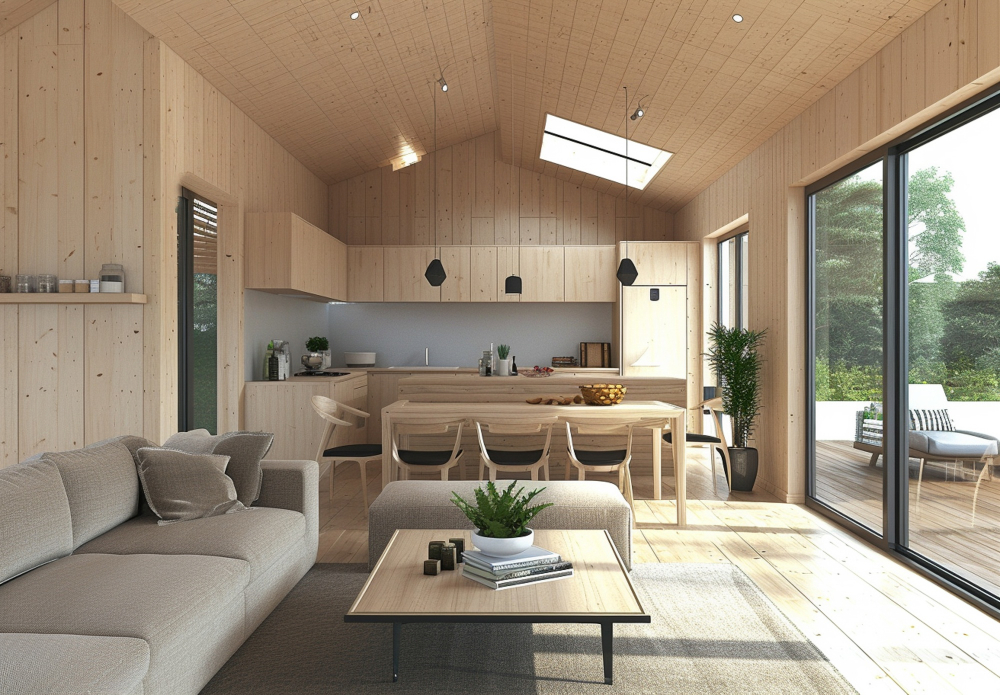
Weather resilience is not just about withstanding storms—it is also about keeping interiors comfortable through changing conditions. Prefab homes often lead the way in energy efficiency, with advanced sealing techniques and smart ventilation systems. These features reduce heat loss in winter and prevent overheating in summer. The result is a home that maintains a stable indoor environment, lowers utility bills, and minimizes stress on heating and cooling systems. In this sense, prefab homes protect both comfort and wallets year-round.
Prefab homes have shown that they are more than capable of holding their ground against unpredictable weather. Their factory-built precision, adaptable designs, and focus on energy efficiency give them an edge in climate resilience. For modern buyers, this means a home that not only looks stylish but also stands strong through storms, snow, or heatwaves. Investing in a prefab home is not just about convenience and cost savings; it is about peace of mind knowing your house is built to face whatever the skies might bring.