Building a house without thinking about energy is like buying a car with no brakes. It might look good parked in the driveway, but long term? Risky move. Conversations across every Australian electrical blog now circle around ratings, insulation, and performance metrics because standards are tightening fast. Energy-smart design isn’t hype; it’s insurance for your comfort and wallet. Future-proofing means planning for rising power prices and stricter regulations. It also means creating a space that feels stable year-round. Buyers are watching these details closely.
Start With Climate Responsive Design
Orientation is step one. A home that embraces winter sun cuts heating demand naturally. That decision alone changes annual energy use significantly. Window placement shapes airflow. Cross breezes reduce reliance on mechanical cooling. Rooms feel fresher without constant humming from vents. Roof overhangs and shading devices block harsh summer rays. The structure works with the climate instead of fighting it. That cooperation pays off daily. Thermal mass materials like concrete or brick store heat during the day. At night, they release it gradually. Comfort becomes steady, not erratic.
Upgrade the Building Envelope
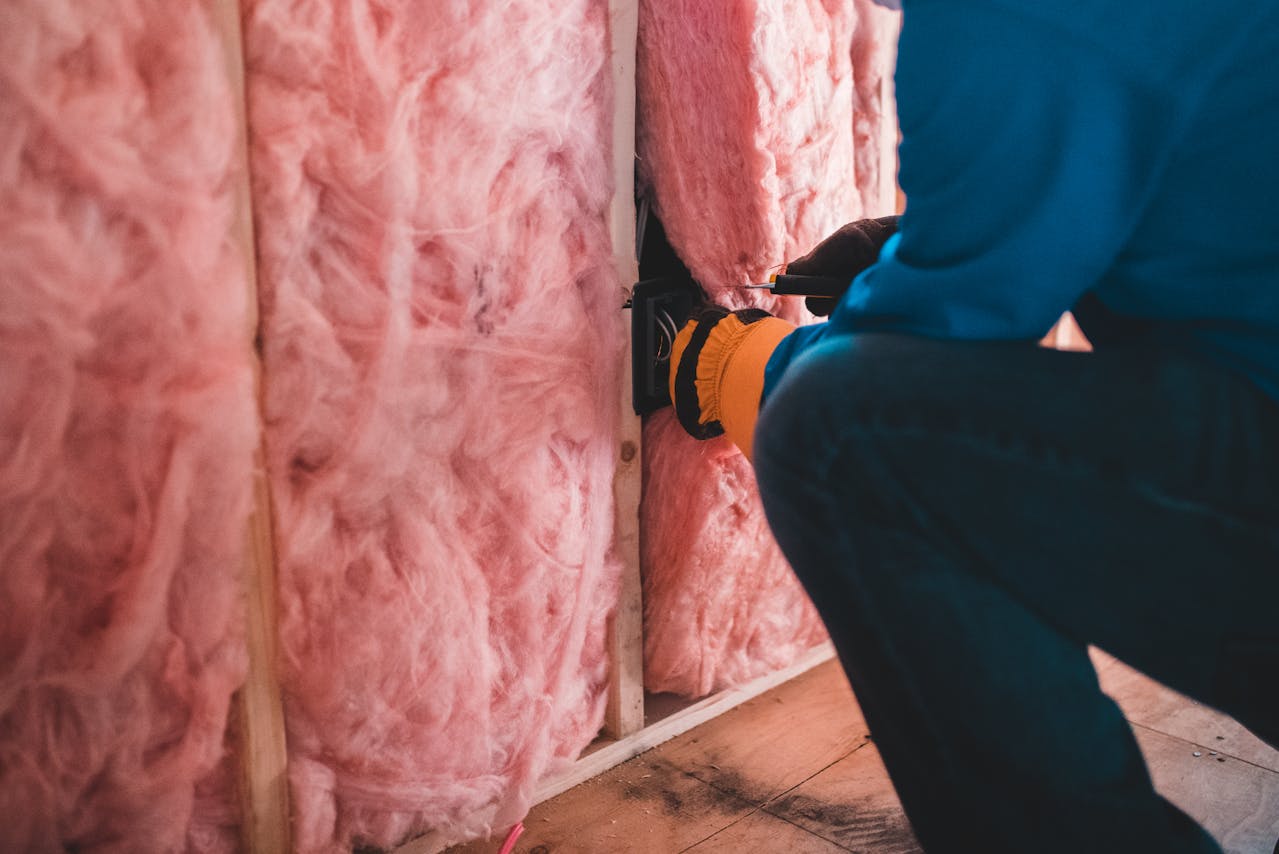 Insulation does heavy lifting quietly. Thick ceiling batts and insulated walls slow heat transfer dramatically. Temperatures fluctuate less. High-performance windows matter just as much. Double glazing reduces both heat loss and noise intrusion. Streets sound softer, and interiors stay calm. Sealing gaps around doors and frames prevents drafts. Tiny cracks create large losses over time. Addressing them is simple but powerful. A tight building envelope reduces strain on heating and cooling systems. Less strain means lower running costs and longer equipment lifespan.
Choose Efficient Systems and Appliances
Heating and cooling units must match the home’s size. Oversized systems waste electricity. Smaller, well-calibrated units perform better. Reverse-cycle air conditioning offers flexibility across seasons. Zoning allows room-by-room control. You stop heating empty spaces. Hot water systems deserve attention, too. Heat pump technology consumes far less power than traditional electric storage tanks. Savings compound year after year. Appliances with high energy ratings cut baseline consumption. Refrigerators, dishwashers, and washing machines add up quickly on bills.
Integrate Renewable and Smart Technology
 Solar panels convert sunlight into direct savings. A properly sized system offsets daily demand significantly. It changes how homeowners view their roof. Battery storage increases independence. Evening usage draws from stored energy instead of peak grid pricing. That shift stabilizes monthly costs. Smart meters provide real-time tracking. Homeowners see consumption patterns instantly.
Adjustments become informed decisions, not guesswork. Energy management systems automate usage during off-peak hours. Timed charging and controlled appliance cycles improve efficiency quietly in the background. Future-proof design also strengthens resale value. Buyers increasingly check energy ratings during inspections. Performance becomes part of the negotiation. Government standards are rising across Australia. New builds must meet higher benchmarks.
Existing homes without upgrades risk falling behind. Energy-smart planning reduces vulnerability to regulatory shifts. It also protects household budgets against unpredictable price spikes. Stability carries serious appeal. Comfort improves as well. Rooms maintain even temperatures. Air quality feels cleaner. Future-proofing is practical, not dramatic. It’s about foresight and disciplined choices. Make the structure work harder so you don’t have to.
 Landscaping is often the simplest way to revive an aging exterior because it brings life, color, and structure without heavy construction. Well-chosen plants soften worn edges and make walkways feel welcoming. Mixing shrubs, seasonal flowers, and ground cover creates a balanced look while keeping maintenance at a manageable level. Older homes usually benefit from greenery that frames the architecture rather than hiding it, allowing the house’s original style to stand out. A clean lawn, trimmed hedges, and fresh mulch can transform the entire atmosphere in a single afternoon.
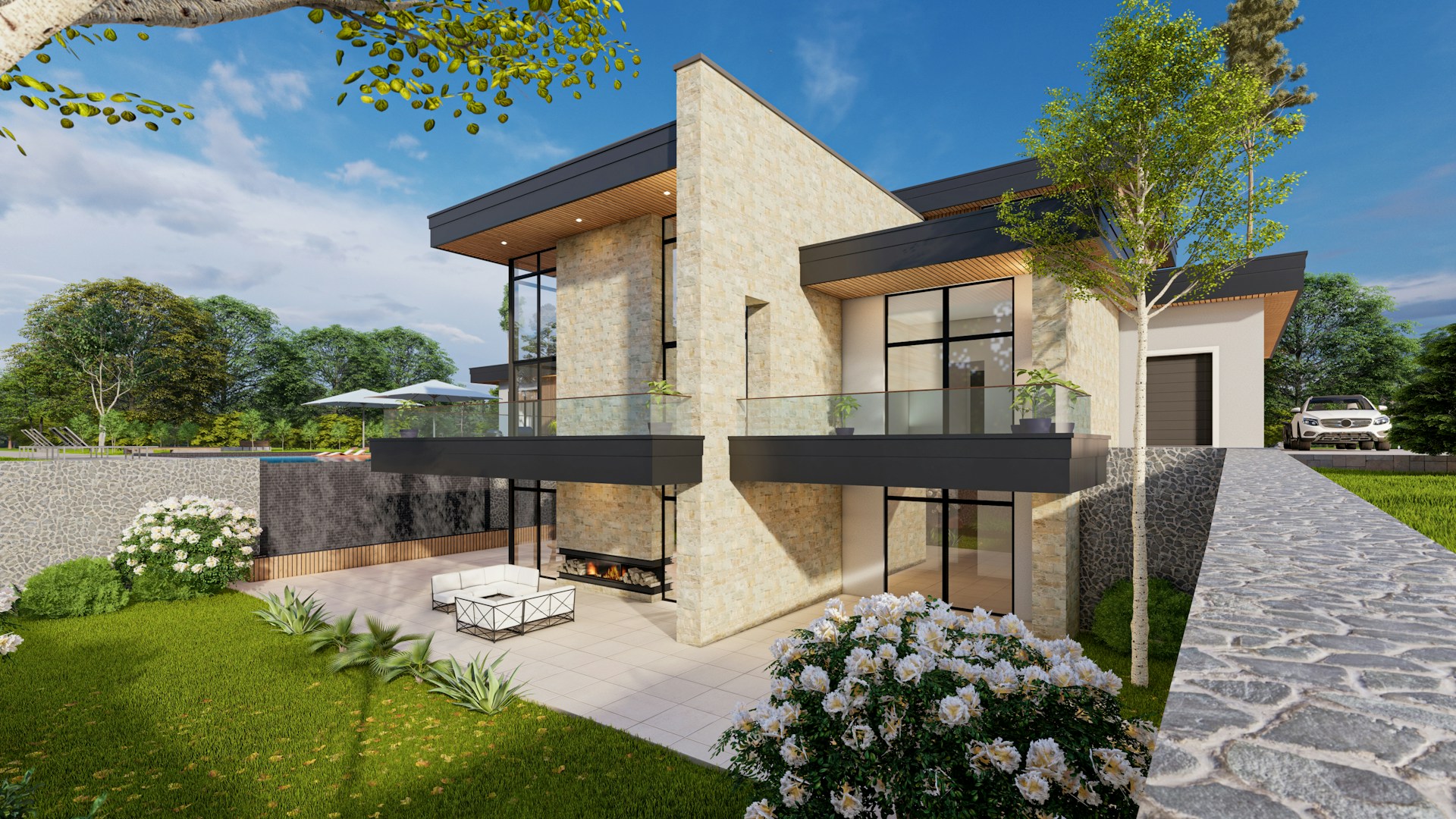 One of the biggest strengths of prefab homes is how they are engineered. Since sections are built in factories, they often undergo rigorous testing and must meet strict building codes before being transported. This results in homes that are tightly constructed, with fewer gaps that could let in moisture or drafts. The modular design also makes them more resistant to shifting in high winds compared to some older, stick-built houses. Modern prefab homes often feature reinforced materials and advanced insulation that keep them sturdy during storms.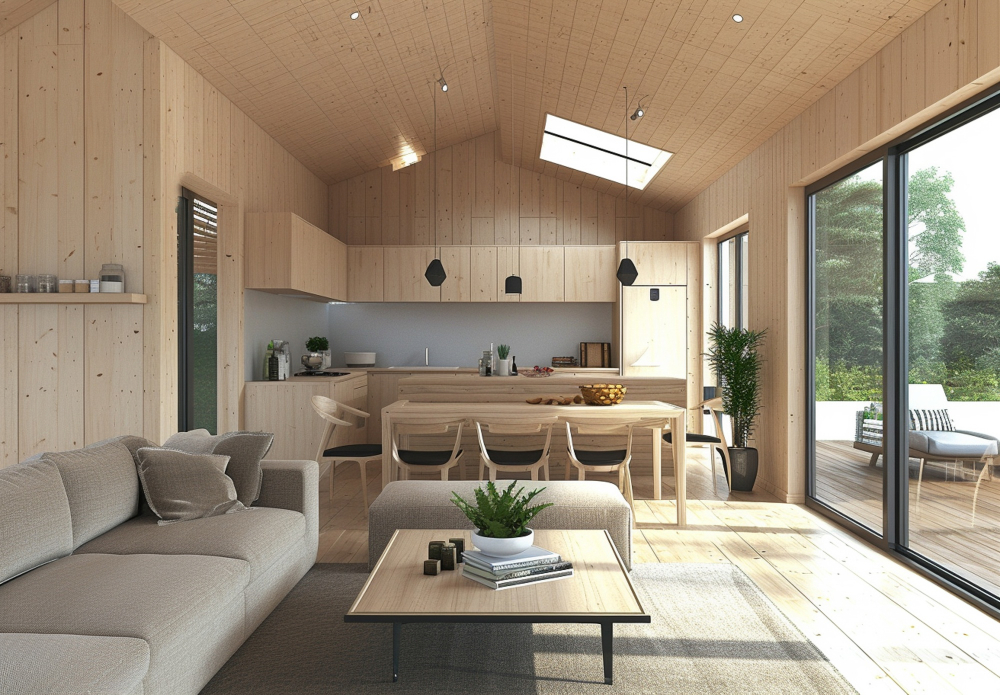



 Selecting outdoor furniture requires a careful balance between comfort and durability. Start by considering materials that withstand the elements. Teak, eucalyptus, and aluminum are excellent choices for longevity. When it comes to seating, prioritize cushions with weather-resistant fabrics. Look for options filled with quick-drying foam to ensure they remain comfortable even after rain showers. Don’t forget about functionality. Nesting tables or modular sofas can adapt to your changing needs while maximizing space. Style is important too; choose pieces that complement your home’s architecture and existing landscape design. A cohesive look enhances the overall appeal of your outdoor area. Lastly, consider maintenance requirements.

 One of the most significant benefits of remodelling your basement is the potential increase in property value. Finished basements add usable square footage to your home, making your property more attractive to prospective buyers. Whether you transform the space into a guest suite, a home office, or a recreational area, a well-executed basement renovation can significantly boost your home’s market value. Real estate experts often note that finished basements are a strong selling point, helping you recoup your investment when it’s time to move.
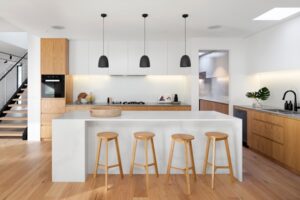 Remodelling your basement offers a blank canvas for creative design. Unlike other parts of your home that may need to adhere to existing styles or structures, the basement allows for more freedom in design choices. Whether you envision a rustic retreat, a modern lounge, or a chic home bar, the basement can be tailored to reflect your tastes and preferences. This flexibility allows you to create a unique space that stands out and enhances the overall appeal of your home. The surprising advantages of remodelling your basement extend beyond just having more room.
 When you opt for top-notch home painting services, expert consultation is often the first step in the process. A reputable painting company will start by understanding your vision and goals for the project. They will take the time to assess your space, discuss color options, and provide valuable insights based on their experience. During the consultation, professional painters may also offer suggestions on paint finishes, textures, and techniques that can enhance the overall look and feel of your home. This personalized approach ensures that every aspect of the project is tailored to meet your specific needs and preferences.
 When it comes to
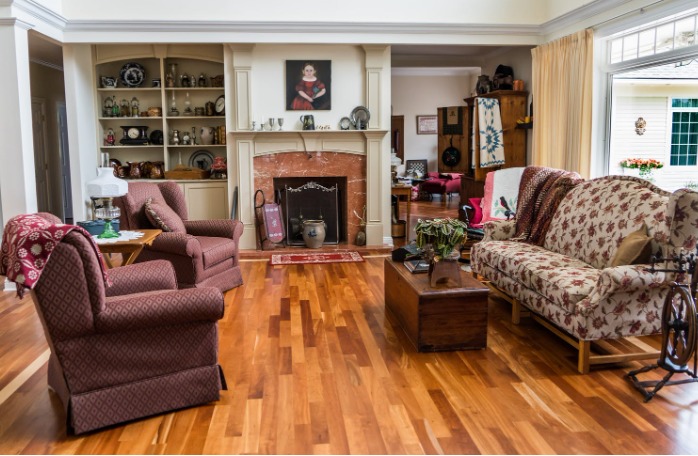 One of the best ways to protect your home design interior is to ensure that wood finishes can’t get watermarks. Watermarks can ruin the appearance of your furniture and other decors, so it’s essential to take steps to prevent them from happening.
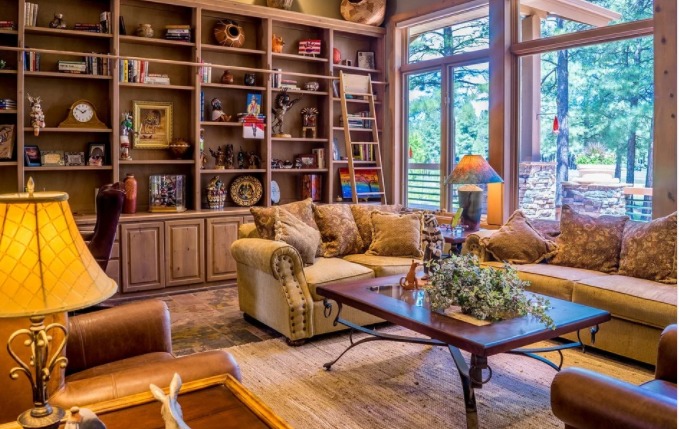 Style is very important when decorating your home. If you don’t know your home decor style, you can
 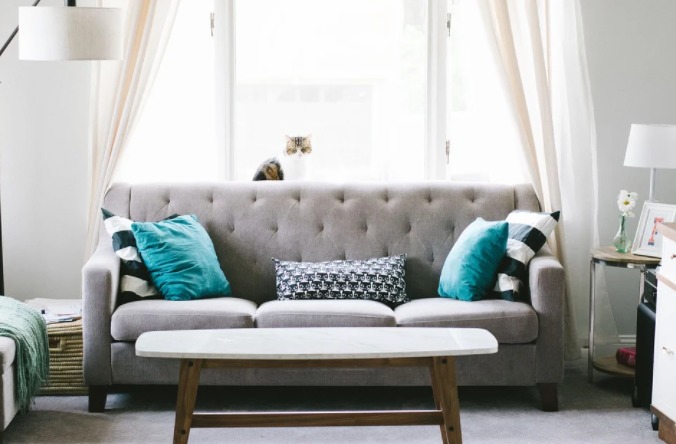 The colors you choose for your home can have a big impact on the overall look and feel of the space. You’ll want to select colors that complement each other and create a cohesive look. If you’re not sure what colors to choose, you can always consult with a professional designer. You must choose the right colors for your home, as they can make a big difference in the overall appearance. Avoid using very dark colors as it will make your home look smaller.
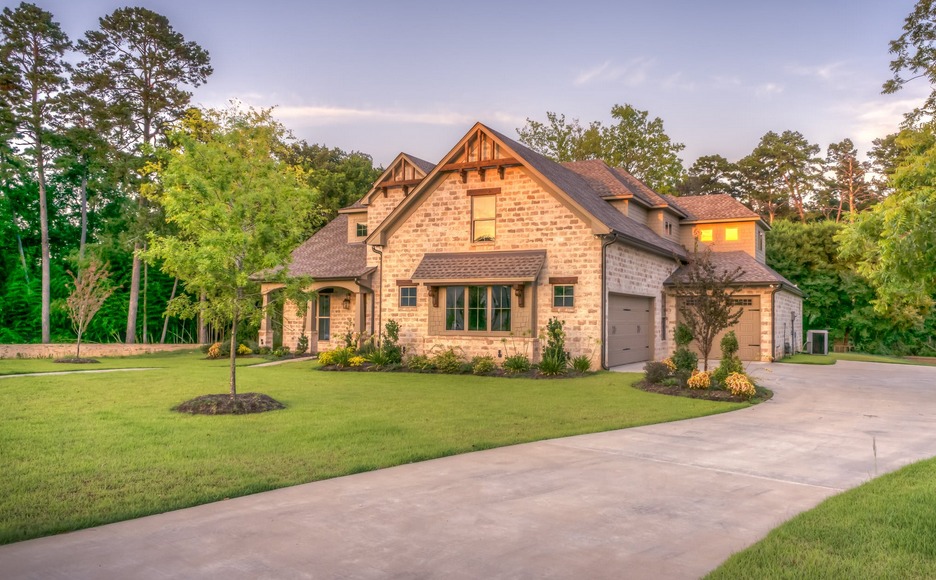 A home garden is often viewed as an attractive addition to any property because it adds color and life. If you are planning on selling your house in the future. Having a home garden could increase its value by up to 15%. This is why many real estate agents often recommend adding a garden to your property if you are looking to sell.
 One of the best benefits of having a home garden is producing your own fresh fruits and vegetables. This can be especially helpful if you are trying to eat healthier or save money on groceries. You will know exactly where your food came from and how it was grown, which can give you peace of mind.

 Chisels are among the first tools to be used, and they are still an important part of your arsenal today. You will certainly need an excellent selection of chisels to cut edges, clean, and cut difficult joints or edges in your woodworking projects. There’s nothing complicated about using a chisel, but a good portion of experienced woodworkers spend years honing their skills with these tools, as well as the great things they create as a result speak for them.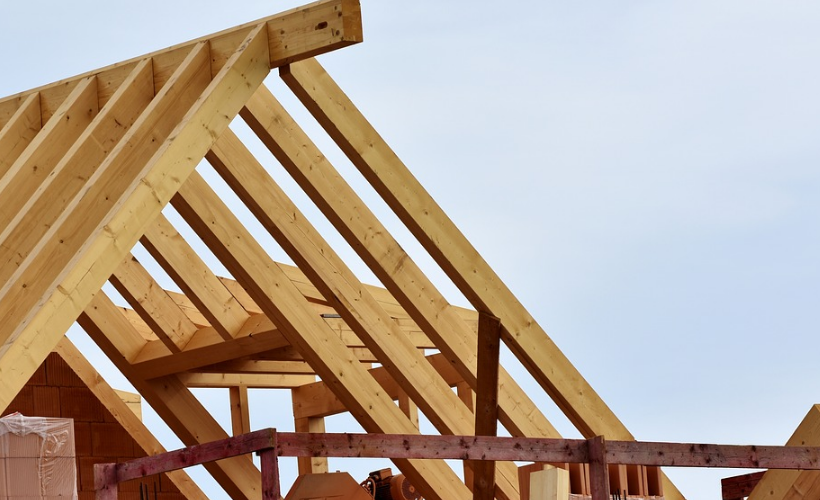
 Harmful UV rays could reduce the conventional roof’s lifespan, and warm sunny days usually increase electricity expenses. Cool roofs are all cost-friendly options. Coatings and single-ply membranes protect horizontal coverings and pitched types gain from multicolored tiles or coated alloy. These goods may reduce rooftop temperatures from 50 to 60 degrees through the summer.
