Homes have always reflected the way people live. As daily routines, work habits, and family structures evolve, residential design changes alongside them. Features that were once considered essential may become less important, while new priorities shape the layout and function of modern homes. Today’s families often look for spaces that support flexibility, comfort, efficiency, and connection rather than simply offering more square footage. Builders and architects continue adapting to these expectations by creating homes that better match contemporary lifestyles. If you are starting from scratch, learning the most important decisions when building a house is important. You can learn more about it by visiting www.hurra-wir-bauen.de/hausbau/fertighaus/hausbau-ohne-boese-ueberraschungen.
Adapting to Flexible Daily Routines
Daily life has become less predictable than in previous generations. Many households balance work, education, childcare, recreation, and household responsibilities under one roof. This shift has influenced how homes are planned. Rooms are increasingly designed to serve multiple purposes instead of having one fixed function. A space used as a home office during the day may become a study area in the evening or a guest room when needed. Open layouts also make it easier for family members to share common areas while participating in different activities. Flexible design allows homes to adapt as routines change without requiring major renovations.
Supporting Work and Learning
Remote work and online education have permanently influenced residential design. Families now recognize the importance of having spaces that support concentration while remaining connected to the rest of the home. Modern home layouts often include dedicated work areas or quiet corners that provide privacy without isolating occupants completely. Natural lighting, comfortable seating, and thoughtful storage contribute to productive environments. Homes no longer separate professional and personal activities as clearly as they once did. Instead, design focuses on creating practical spaces that accommodate both without reducing overall comfort.
Encouraging Family Interaction
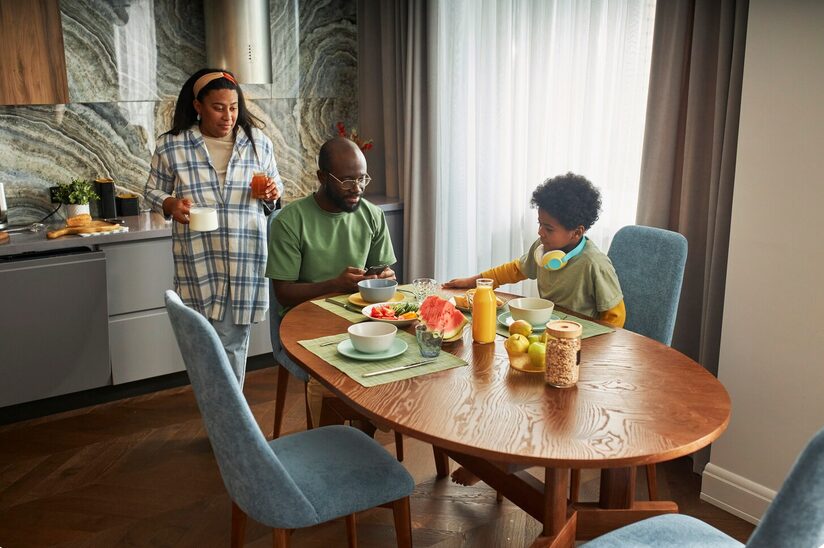
Although personal privacy remains important, many families also value opportunities to spend time together. Home design increasingly supports both individual activities and shared experiences. Open kitchens connected to dining and living areas encourage conversation while meals are prepared. Larger gathering spaces allow family members to interact naturally throughout the day. Outdoor living areas have also become extensions of indoor spaces, creating additional opportunities for relaxation and entertainment. These layouts strengthen everyday interaction while giving households greater flexibility in how they use their homes.
Improving Comfort and Efficiency
Comfort now extends beyond attractive finishes or decorative features. Families increasingly value homes that remain comfortable throughout changing seasons while operating efficiently. Design trends emphasize natural lighting, improved ventilation, effective insulation, and energy-conscious layouts. Large windows brighten living spaces while allowing better connections with outdoor environments. Efficient floor plans reduce wasted space and simplify movement throughout the home. These improvements create pleasant living conditions while helping households manage long-term operating costs. Practical comfort has become an important priority for both homeowners and builders.
Accommodating Different Family Structures
Family structures continue to become more diverse. Multi-generational households, smaller families, single occupants, and blended families all have different housing needs. Modern home design responds by offering adaptable layouts that can accommodate changing household sizes over time. Additional bedrooms may serve elderly relatives, returning adult children, or future family members. Flexible storage solutions also help households remain organized despite changing living arrangements. Homes that adapt easily to different family situations often remain useful for longer periods, reducing the need for frequent relocation as circumstances change.
Preparing Homes for the Future
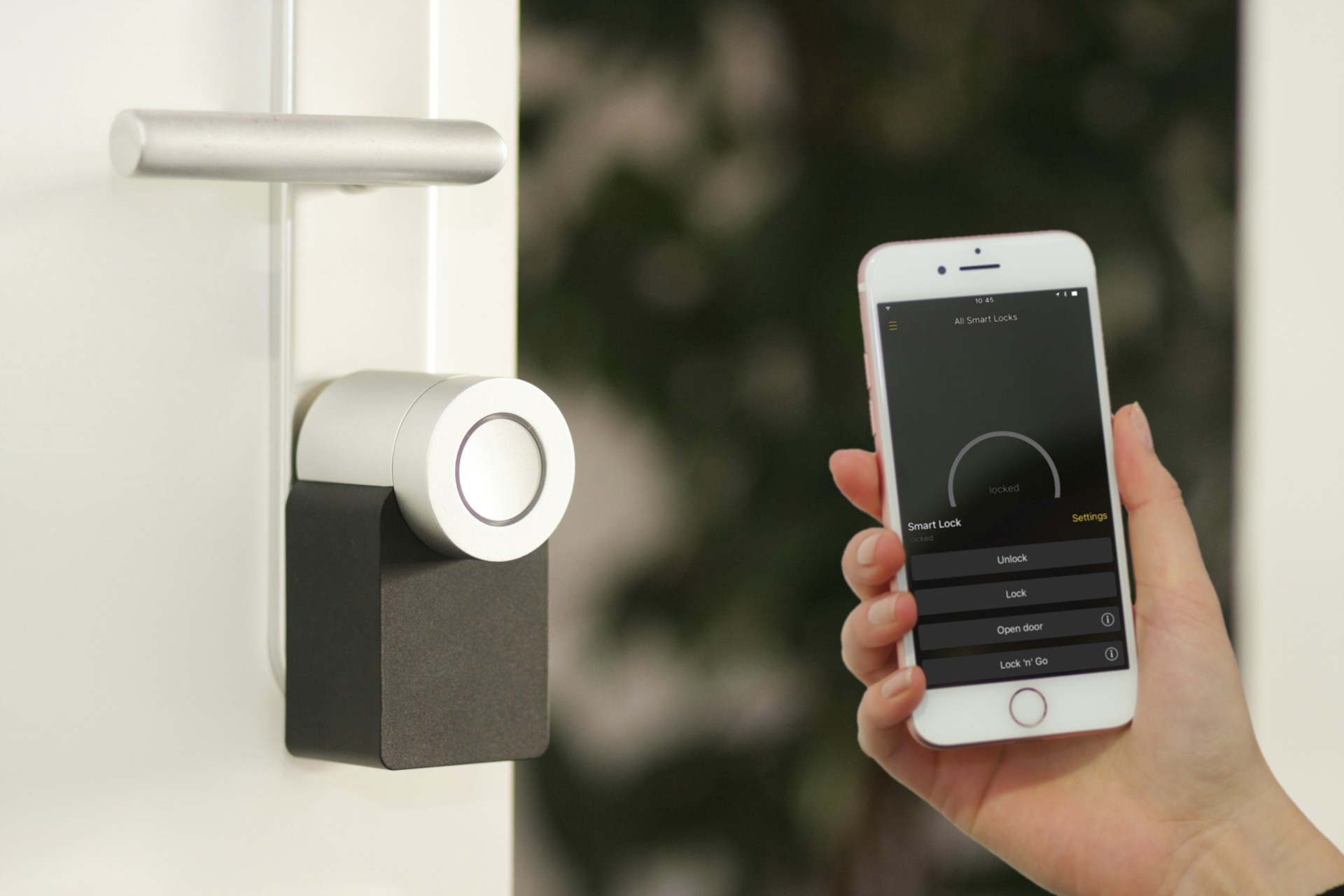
Residential design continues evolving alongside advances in technology and changing social expectations. Families increasingly seek homes that remain practical not only today but also in the years ahead. Builders now consider features that allow future upgrades without extensive remodeling. Flexible electrical systems, adaptable room layouts, and efficient building materials support long-term usability. Technology integration also continues influencing residential planning through smart lighting, climate control, and security systems. These developments prepare homes for changing needs while helping families enjoy greater convenience throughout daily life. Forward-thinking design supports both current comfort and future adaptability.
Home design trends reflect changing family lifestyles by adapting to flexible routines, supporting work and learning, encouraging family interaction, improving comfort and efficiency, accommodating different family structures, and preparing homes for future needs. Rather than focusing only on appearance, modern residential design prioritizes spaces that function effectively within everyday life. Understanding how home design trends reflect changing family lifestyles demonstrates that successful homes evolve alongside the people who live in them. Flexible layouts, practical features, and thoughtful planning create living environments that remain comfortable and functional through different stages of life. As family needs continue changing, residential design will continue responding with solutions that balance comfort, efficiency, and long-term adaptability.