A flourishing garden is every homeowner’s pride, but keeping it free from destructive pests can feel like an ongoing battle. Many people turn to harsh chemicals, but natural methods can be just as effective—without harming your soil, pets, or local ecosystem. If you want an outdoor space that remains both beautiful and eco-friendly, you’ll need strategies that blend prevention and natural control. This is where adopting practical methods makes a real difference. Alongside improving your garden’s health, natural pest control can also enhance the quality of your entire outdoor living area. If you’re interested in boosting your space further, check out this guide to transforming your outdoor living area which shares valuable insights for creating a stunning garden retreat.
Encourage Beneficial Insects
Not all bugs are bad. In fact, some are your garden’s best defenders. Ladybugs, lacewings, and predatory beetles feed on common pests like aphids, mites, and caterpillars. By planting flowers like marigolds, dill, and fennel, you can attract these natural allies into your yard. Creating a balanced ecosystem helps control harmful pests before they spread too far. Think of it as building your own miniature defense squad—without spending money on chemical sprays.
Use Natural Repellents

Homemade sprays can discourage pests without introducing toxins into your soil. For instance, a simple mix of water, dish soap, and drops of neem oil can help deter aphids and whiteflies. Garlic or chili sprays are also effective against chewing insects. Spraying these solutions directly onto affected plants can reduce infestations. The best part? These repellents are safe for kids and pets while still protecting your plants from harm.
Practice Crop Rotation and Companion Planting
Pests thrive when they know exactly where their favorite crops will be season after season. Rotating your vegetables helps break this cycle and reduces the chance of recurring infestations. In addition, companion planting—growing certain plants together—can naturally repel pests. For example, planting basil near tomatoes helps ward off flies, while onions planted with carrots confuse root-eating pests. These strategies are both simple and highly effective for long-term protection.
Maintain Healthy Soil and Strong Plants
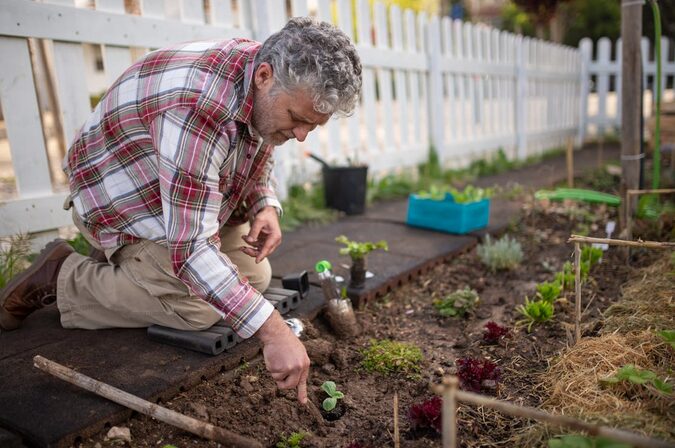
Healthy plants are unlikely to fall victim to pest invasions. Strengthening your soil with compost, organic mulch, and regular watering creates conditions that discourage many insects. Avoid over-fertilizing, as this can produce lush, weak growth that pests love. By cultivating soil that is rich in nutrients and structure, you’re essentially creating a strong foundation where plants can thrive with less risk of attack. Strong plants naturally resist diseases and recover faster if pests appear.
Keep Your Garden Clean and Tidy
Pests often hide in piles of leaves, weeds, and decaying material. By clearing debris, trimming overgrown areas, and disposing of infected plants, you reduce their hiding spots. Regular garden maintenance also helps you catch early signs of problems before they spread. A clean garden doesn’t just look appealing; it also has a key role in preventing pest build-up. Regular attention makes pest management much easier in the long run.
Protecting your home garden from pests doesn’t require chemicals or complicated methods. By inviting beneficial insects, using natural repellents, practicing smart planting, strengthening soil health, and maintaining cleanliness, you can create a thriving outdoor space where plants flourish naturally. These steps are simple yet powerful in reducing pest problems while keeping your garden safe and environmentally friendly. With consistent care, your garden can remain a beautiful and productive sanctuary year after year.
 Maybe you don’t realize it yet, but the Japanese have found peace and serenity with their bonsai garden. It brings a sense of control and order to an otherwise chaotic world when you garden. It also can be a form of meditation as you focus on the task at hand. So, maybe we can learn a bit more from the Japanese? They might be on to something big here.
 With the rise of Instagram, it’s hard not to show off and stroke our egos every chance we get. But gardening, which is a very back and forth task, can teach us humility as well as patience. The process of planting seeds, waiting for them to take root, and then taking care of your plants isn’t always quick or easy. However, it’s worth the effort to watch those little sprouts grow big.
 A home garden is often viewed as an attractive addition to any property because it adds color and life. If you are planning on selling your house in the future. Having a home garden could increase its value by up to 15%. This is why many real estate agents often recommend adding a garden to your property if you are looking to sell.
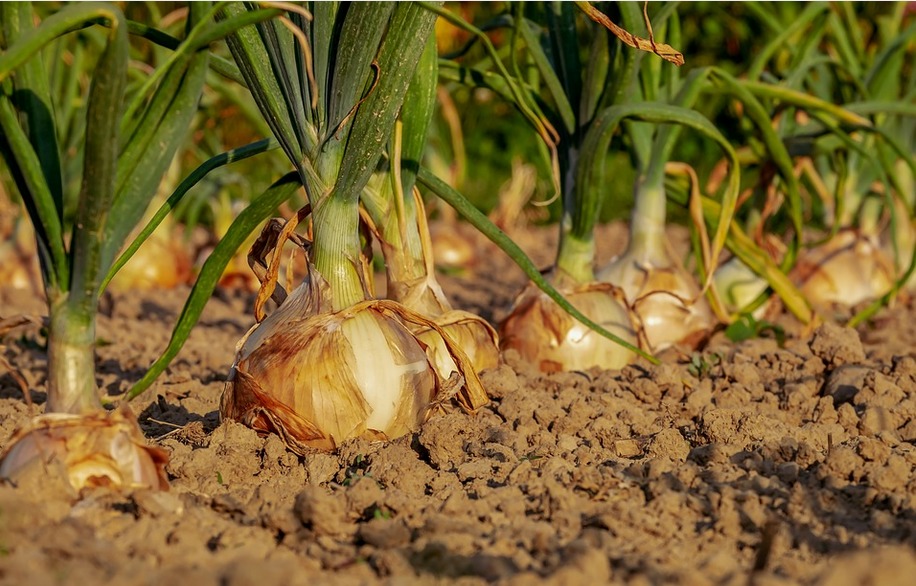 One of the best benefits of having a home garden is producing your own fresh fruits and vegetables. This can be especially helpful if you are trying to eat healthier or save money on groceries. You will know exactly where your food came from and how it was grown, which can give you peace of mind.
 Less happening happens early or late in the daytime. Accordingly, this is the ideal length of the day everyday water your nursery. Watering in various examples guarantees that you simply utilize more water to accomplish the dampness material you need since you are rivaling your endeavors’ warmth. This will unavoidably prompt covering high water bills to keep up your yard. Paradoxically, trimming the grass at a reasonable time proposes that the dampness finds the opportunity to enter the soil profoundly and be held for a more drawn out broadened period. If your yard ends up getting programmed sprinklers, it very well might be ideal for triggering them in the period between noon and dawn.
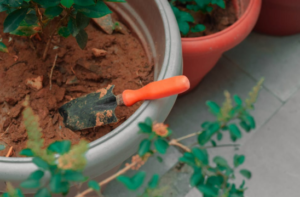 Calculators can do a lot of things. They’re the tiered version. There’s a shovel. Manly couldn’t feel the earth being shoveled. It was the shovel. Shovels are for making a phone call and landing in a way that you never split your life in between. You’ll find it great for some functions that are planting and burying holes. Therefore, the shovel and rake are tools that you need to have in your