A home often tells a story through the objects it contains, and personal collections can become some of its most distinctive features. Whether they include books, artwork, antiques, travel souvenirs, or handmade pieces, these items reflect individual experiences and interests while adding character to everyday living spaces. Insights shared by hausbauhelden.de highlight the value of a healthy indoor climate and thoughtful residential design – one where personal expression complements functionality rather than overwhelming it. When displayed with care, collections can create meaningful focal points and strengthen the connection between people and their surroundings. Exploring this relationship reveals how personal collections contribute to a home’s unique identity and make each interior feel more authentic and memorable.
How Collections Reflect Personal Interests
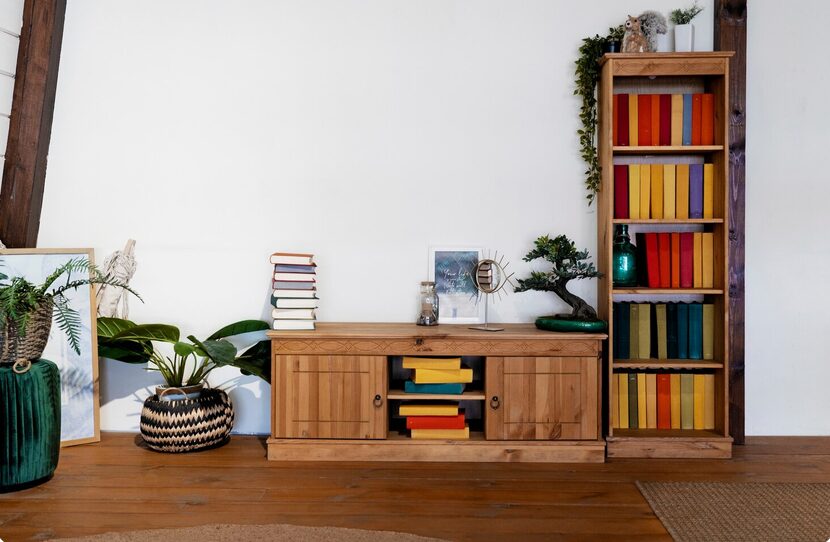
Personal collections often reveal the interests and experiences of the people who own them. A home filled with books may suggest a love of reading, while collections of artwork, vintage objects, or handmade crafts can reflect creative or cultural interests. These items introduce individuality that cannot be easily replicated by standard furniture or decorative products alone. As collections grow over time, they contribute to a home that feels distinctive because its appearance is shaped by the lives and preferences of its occupants rather than by a single design trend.
The Relationship Between Display and Interior Design
The way a collection is displayed influences how it becomes part of an interior. Shelving, cabinets, wall displays, and carefully arranged surfaces allow objects to contribute to a room’s visual composition without overwhelming it. The relationship between collections and surrounding furniture, lighting, and architectural features helps create balance throughout the space. Thoughtful placement allows individual items to stand out while remaining connected to the overall design, making the collection feel like a natural part of the home rather than an unrelated addition.
How Collections Influence Spatial Organization
Collections often affect room organization because they require space for display, storage, or access. Large bookcases, display cabinets, gallery walls, or dedicated shelving may become important features within a room, influencing furniture placement and circulation. In some homes, collections even shape the function of particular spaces by creating reading corners, music rooms, or areas for displaying artistic work. The presence of these items demonstrates that personal belongings can influence the layout and use of a home just as much as architectural features.
Why Collections Create Lasting Character
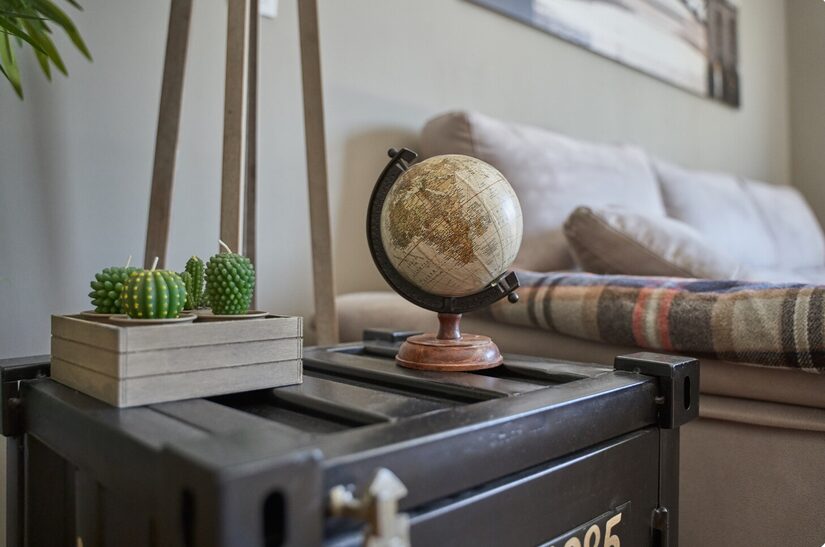
Unlike decorative items chosen to match changing design styles, personal collections often develop gradually over many years. Objects acquired through travel, family history, hobbies, or significant life events carry stories that give them meaning beyond their appearance. As these collections expand, they create visual continuity that reflects the household’s experiences. This gradual development contributes to a sense of authenticity because the home’s character evolves naturally rather than being created all at once by a single design decision.
The Balance Between Personality and Harmony
While collections add individuality, they are most effective when they work in harmony with the surrounding interior. Consistent display methods, coordinated materials, and thoughtful spacing help ensure that collections contribute to the overall atmosphere without creating unnecessary visual clutter. This balance allows personal objects to become meaningful focal points while maintaining a comfortable and organized environment. The relationship between personal expression and visual harmony enables collections to enrich a home’s identity while supporting its overall design.
Personal collections become part of a home’s identity by reflecting the interests, experiences, and memories of the people who live there. Their display influences interior design, room organization, and the overall atmosphere of the home, creating spaces that feel unique and deeply personal. As collections develop over time, they add lasting character that extends beyond changing design trends. This demonstrates that a home’s identity is shaped not only by its architecture and furnishings but also by the meaningful objects that tell the story of everyday life.