Building a house without thinking about energy is like buying a car with no brakes. It might look good parked in the driveway, but long term? Risky move. Conversations across every Australian electrical blog now circle around ratings, insulation, and performance metrics because standards are tightening fast. Energy-smart design isn’t hype; it’s insurance for your comfort and wallet. Future-proofing means planning for rising power prices and stricter regulations. It also means creating a space that feels stable year-round. Buyers are watching these details closely.
Start With Climate Responsive Design
Orientation is step one. A home that embraces winter sun cuts heating demand naturally. That decision alone changes annual energy use significantly. Window placement shapes airflow. Cross breezes reduce reliance on mechanical cooling. Rooms feel fresher without constant humming from vents. Roof overhangs and shading devices block harsh summer rays. The structure works with the climate instead of fighting it. That cooperation pays off daily. Thermal mass materials like concrete or brick store heat during the day. At night, they release it gradually. Comfort becomes steady, not erratic.
Upgrade the Building Envelope
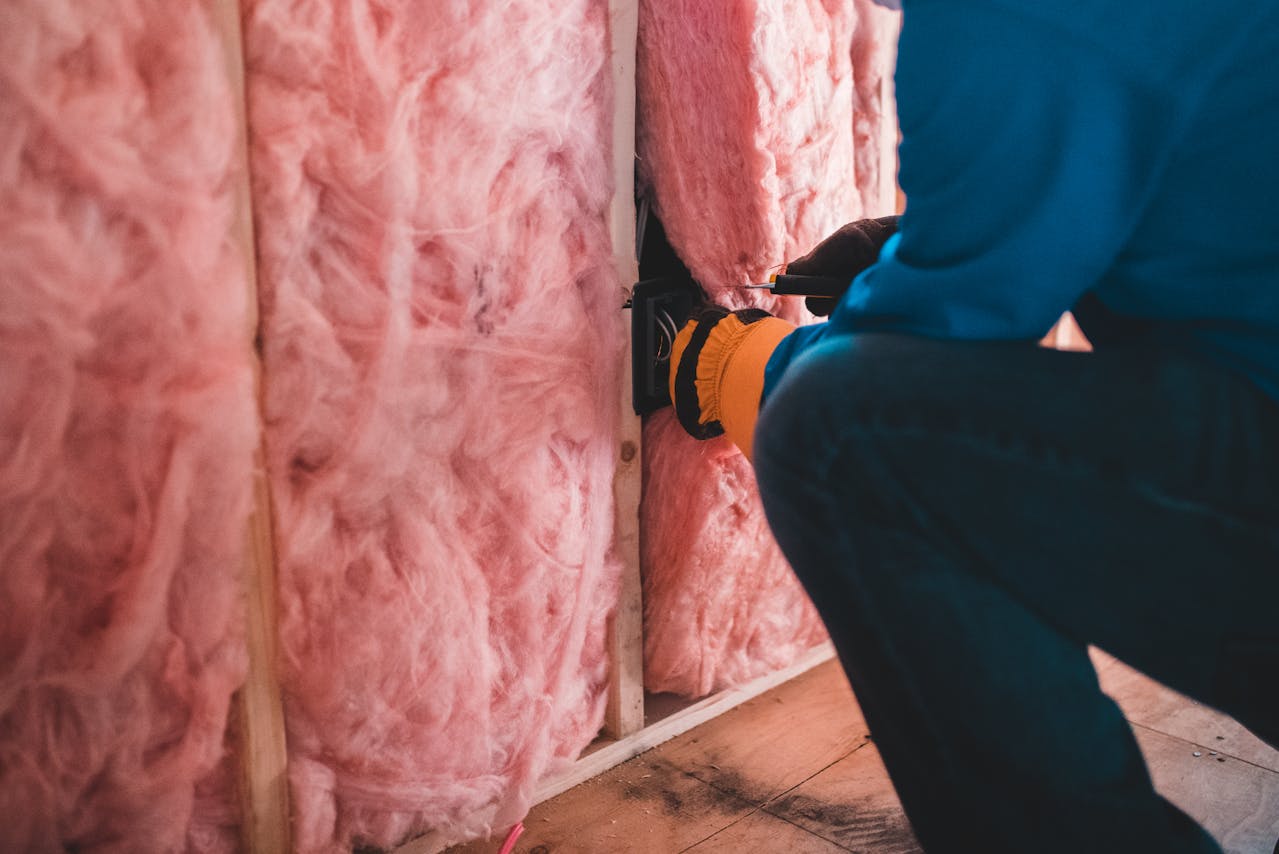 Insulation does heavy lifting quietly. Thick ceiling batts and insulated walls slow heat transfer dramatically. Temperatures fluctuate less. High-performance windows matter just as much. Double glazing reduces both heat loss and noise intrusion. Streets sound softer, and interiors stay calm. Sealing gaps around doors and frames prevents drafts. Tiny cracks create large losses over time. Addressing them is simple but powerful. A tight building envelope reduces strain on heating and cooling systems. Less strain means lower running costs and longer equipment lifespan.
Choose Efficient Systems and Appliances
Heating and cooling units must match the home’s size. Oversized systems waste electricity. Smaller, well-calibrated units perform better. Reverse-cycle air conditioning offers flexibility across seasons. Zoning allows room-by-room control. You stop heating empty spaces. Hot water systems deserve attention, too. Heat pump technology consumes far less power than traditional electric storage tanks. Savings compound year after year. Appliances with high energy ratings cut baseline consumption. Refrigerators, dishwashers, and washing machines add up quickly on bills.
Integrate Renewable and Smart Technology
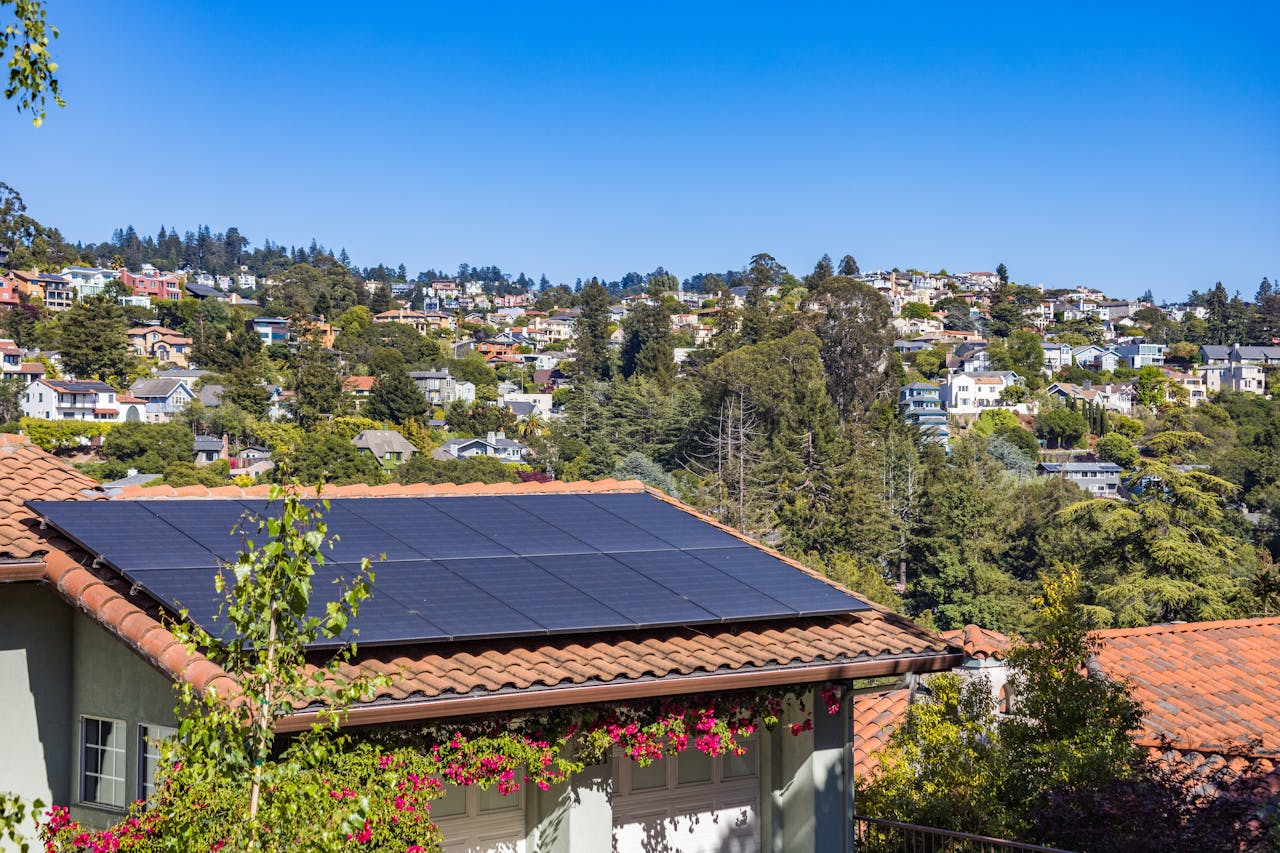 Solar panels convert sunlight into direct savings. A properly sized system offsets daily demand significantly. It changes how homeowners view their roof. Battery storage increases independence. Evening usage draws from stored energy instead of peak grid pricing. That shift stabilizes monthly costs. Smart meters provide real-time tracking. Homeowners see consumption patterns instantly.
Adjustments become informed decisions, not guesswork. Energy management systems automate usage during off-peak hours. Timed charging and controlled appliance cycles improve efficiency quietly in the background. Future-proof design also strengthens resale value. Buyers increasingly check energy ratings during inspections. Performance becomes part of the negotiation. Government standards are rising across Australia. New builds must meet higher benchmarks.
Existing homes without upgrades risk falling behind. Energy-smart planning reduces vulnerability to regulatory shifts. It also protects household budgets against unpredictable price spikes. Stability carries serious appeal. Comfort improves as well. Rooms maintain even temperatures. Air quality feels cleaner. Future-proofing is practical, not dramatic. It’s about foresight and disciplined choices. Make the structure work harder so you don’t have to.